
Supplement guide
Creatine powder is simple on paper. Creatine gummies remove the measuring, mixing, and shaker bottle, but the easier format only makes sense when the dose is clear and the product fits your routine.
Neither format replaces the basics: a sensible amount, consistent use, training, food, and rest. Start with the label, then choose the form you can use without guessing.
Start with dose, not format
Creatine is stored largely in skeletal muscle, where it helps replenish energy during short, repeated bouts of high-intensity effort. Creatine monohydrate is a widely studied form used in sports nutrition. Once consumed, the practical questions are how much creatine you actually receive and whether you use it regularly, not whether it arrived in a shaker or a gummy.
Many adult maintenance protocols use around 3–5 g per day, though individual needs and suitability vary. That range is a reference point, not a reason to exceed a product’s recommended serving.
Creatine gummies vs. powder
| What to compare | Creatine powder | BioIrene Creatine Gummies |
|---|---|---|
| Creatine amount | Depends on the scoop and product label | 1.5 g per gummy; two gummies provide 3 g |
| Preparation | Measure and mix with water or another drink | Chew directly; no mixing required |
| Portability | Bring the container or pre-portion a serving | Resealable 30-count pouch |
| Taste and texture | Can taste plain or feel gritty, depending on the product | Mixed-berry flavor and chewy texture |
| Dose flexibility | Typically easier to measure a custom amount | Fixed increments of 1.5 g; follow the label |
| Cost comparison | Usually lower cost per gram | Compare current prices by the actual grams of creatine |
The fair comparison is cost and convenience per actual gram of creatine, not the price of a tub versus the price of a pouch.
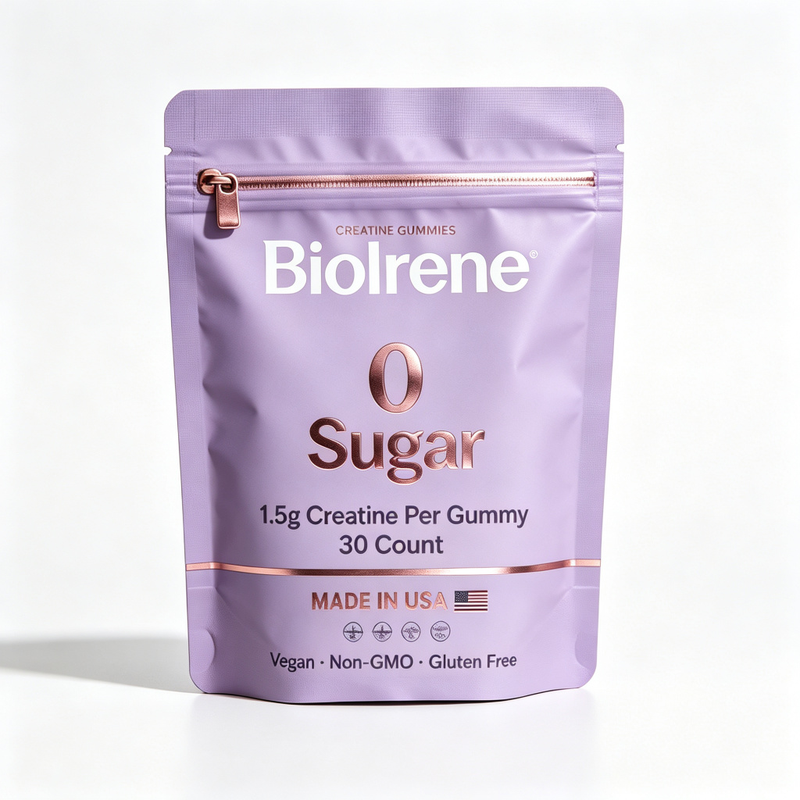
BioIrene Creatine Gummies
A clearly labeled serving, without the mixing
Each gummy contains 1.5 g of creatine monohydrate. Two gummies provide 3 g, and a 30-count pouch contains 15 suggested daily servings.
The mixed-berry gummy can be chewed directly. It is designed for routines where a scoop, drink, and shaker bottle add unnecessary steps.
What changes in the gummy format
No scoop or water needed
Keep the resealable pouch in a gym bag, desk, or travel kit and follow the serving instructions on the label.
No added sucrose
The supplied product information lists maltitol, xylitol, and monk fruit sweetener instead of added sucrose.
Mixed-berry flavor
A chewable format may be easier to maintain if taste or powder texture has interrupted your routine before.
Storage still matters
Keep the pouch sealed in a cool, dry place. The supplied guidance recommends finishing it within two months after opening.
Sugar alcohols do not suit everyone. Eating more than recommended may cause digestive discomfort, especially if you are sensitive to maltitol or xylitol. Check the current package for the complete ingredients and nutrition panel.
Four checks before you buy
- Creatine per gummyLook for a clear amount in grams or milligrams for each piece, not only a claim on the front of the package.
- Your actual daily servingMultiply the per-gummy amount by the recommended number of gummies. For BioIrene, 1.5 g × 2 equals 3 g.
- Ingredients and toleranceReview sweeteners and allergen information, particularly if sugar alcohols tend to upset your stomach.
- Storage and quality informationCheck the lot, expiration date, storage instructions, and any finished-product testing the brand makes available.
BioIrene’s supplied materials describe U.S. production and packaging and a pectin-based gummy formulation. Always confirm details on the final product label and review any batch-specific quality information available.
Which format fits your routine?
Powder may fit better when
You prioritize cost per gram, want to adjust the measured amount, and already mix a daily drink.
BioIrene gummies may fit better when
You value a portable mixed-berry chew and prefer a clearly labeled two-gummy routine without a scoop or shaker.
Frequently asked questions
Are creatine gummies as effective as powder?
The format alone does not make creatine monohydrate a different ingredient. The amount consumed, product quality, and consistent use matter. Check the label and any available finished-product testing rather than assuming all gummies or powders are equivalent.
How many BioIrene creatine gummies should I take?
The supplied product information recommends two gummies daily. At 1.5 g per gummy, that provides 3 g of creatine monohydrate. Follow the instructions on your current pouch and do not increase the serving on your own.
Do I have to take creatine right before a workout?
No single moment in a workout is the main reason to choose creatine. BioIrene’s product information suggests taking it about 30 minutes before exercise or within an hour afterward on training days. A time you can follow regularly is generally more practical than chasing a precise minute.
Will creatine make me gain weight?
Some people notice a small increase in body weight when starting creatine, which can reflect increased water held in muscle rather than increased body fat. Individual responses differ. Speak with a healthcare professional if a change is unexpected or concerning.
Who should avoid this product?
The supplied guidance says it is not suitable for people under 18, pregnant or breastfeeding people, those with abnormal liver or kidney function, or anyone allergic to an ingredient. If you take medication or have a health condition, ask a healthcare professional before use.
A simpler way to stay consistent
Powder remains a sensible choice for an adjustable, economical dose. Gummies make sense when convenience is something you will actually use. Start with the label, understand the serving, and choose the routine you can sustain.
Important: This article is for general information and is not medical advice. Dietary supplements do not replace a balanced diet or medication. Results vary. Follow the product label and consult a qualified healthcare professional before using a supplement if you have a medical condition, take medication, or have specific health concerns.