
Everyday nutrition guide
Vitamin C gummies can make a daily nutrient routine easier, but a bright flavor and a colorful pouch are not the same as a useful dose. Start with what vitamin C does, then check the label, serving size, and sweetener system.
Vitamin C is a water-soluble vitamin that supports normal immune function, collagen formation, antioxidant protection, and iron absorption. A supplement can help fill a gap, but it is not a cure for illness and does not replace fruit, vegetables, or medical care.
Why vitamin C matters
The body uses vitamin C for several normal functions. It contributes to collagen formation for skin, blood vessels, bones, cartilage, and wound healing, and it helps protect cells from oxidative stress. It also improves the absorption of non-heme iron from plant foods.
Because vitamin C is water-soluble, the body does not store large amounts for long-term use. That does not mean very high doses are harmless. The amount you need depends on age, diet, smoking status, health, and advice from a healthcare professional.
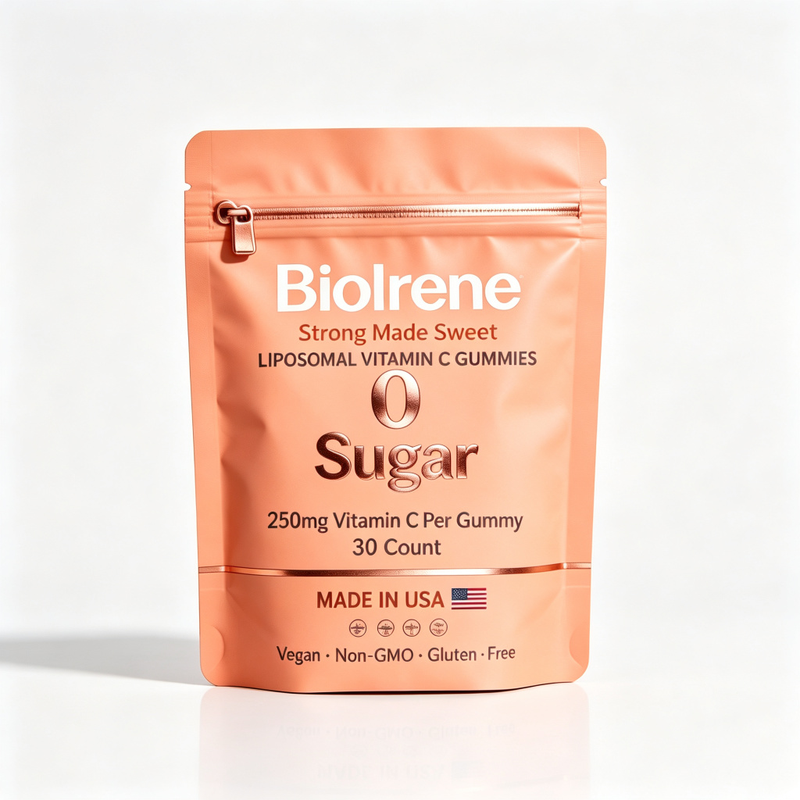
BioIrene Vitamin C Gummies
A convenient chew for an everyday routine
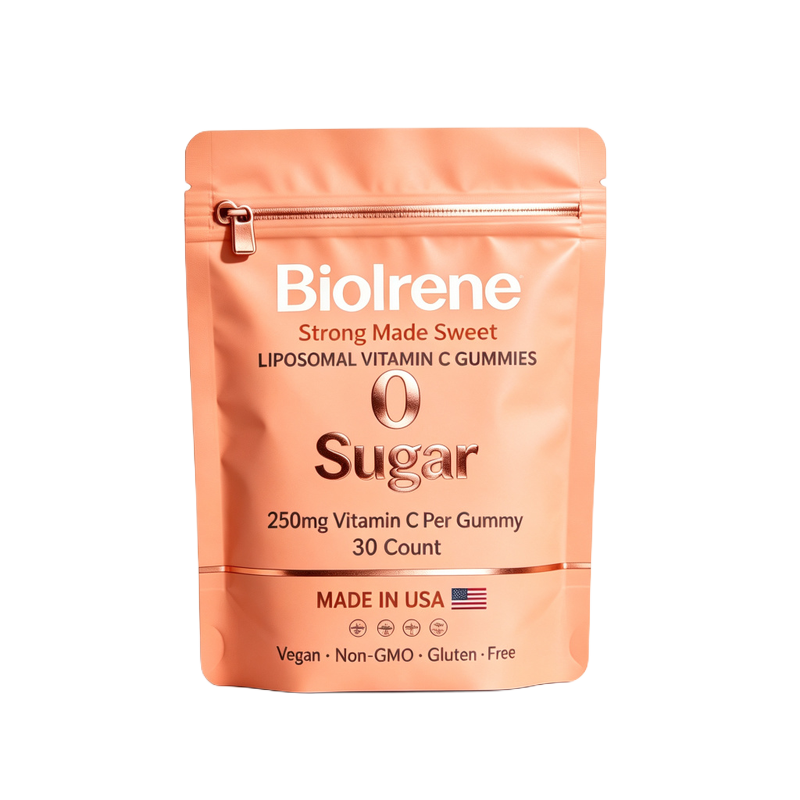
The orange gummy format is designed for people who prefer a chewable serving to a tablet or drink mix. Keep the pouch sealed and follow the current label.
Use the package to confirm vitamin C per gummy, recommended serving, added sugars or sweeteners, and allergen information.
What to compare before buying
Milligrams per serving
Some products list vitamin C per gummy while others list it for the full daily serving. Check both numbers.
Form of vitamin C
Look for the named ingredient, such as ascorbic acid or a mineral ascorbate, and compare the complete label.
Sugar and sweeteners
A gummy may add sugar, sugar alcohols, or other sweeteners. Choose a profile that fits your diet and tolerance.
Serving size and storage
Follow the serving instructions and keep gummies sealed as directed, especially in warm or humid conditions.
A steady way to use vitamin C gummies
- Check your total intakeInclude food, multivitamins, fortified drinks, and other supplements before adding another high-dose product.
- Take the labeled servingDo not increase the number of gummies because the flavor is pleasant or because you missed a day.
- Pair it with a balanced dietOranges, peppers, berries, broccoli, and other produce provide vitamin C along with fiber and other nutrients.
- Pay attention to toleranceLarge supplemental amounts can cause stomach upset, cramps, or diarrhea in some people.
Who may prefer the gummy format?
Gummies may fit when
You want a portable, flavored chew and can work the labeled serving into your normal routine.
Another format may fit when
You need a precise lower dose, want to avoid sweeteners, or prefer to get vitamin C primarily from food.
Frequently asked questions
What are vitamin C gummies good for?
Vitamin C supports normal immune function, collagen formation, antioxidant protection, and iron absorption. A supplement does not guarantee that you will avoid illness or change your appearance.
When should I take vitamin C gummies?
There is no universal best time. Taking the labeled serving at a time you remember is practical. If it bothers your stomach, taking it with food may help.
Can I take vitamin C every day?
Many people can meet their needs through food or a modest supplement, but your total intake matters. Follow the current label and ask a healthcare professional if you take medication or have a health condition.
Can too much vitamin C cause problems?
High supplemental amounts may cause digestive upset and can be inappropriate for some people. Do not combine multiple high-dose products without checking the totals.
Do vitamin C gummies help collagen?
Vitamin C contributes to normal collagen formation. That role is different from promising a specific cosmetic result, so evaluate the full diet and product label.
Make the label do the work
A good vitamin C gummy is easy to evaluate: clear milligrams, a sensible serving, transparent ingredients, and a format you can use consistently. Let the label and your overall diet guide the decision.
Important: This article is for general information and is not medical advice. Dietary supplements do not replace a balanced diet or medical treatment. Follow the current product label and consult a qualified healthcare professional if you have a medical condition, take medication, are pregnant or breastfeeding, or have concerns about vitamin C intake.